
Key takeaways
Key takeaways
Key Takeaways
- Preparing servers for recycling requires a structured approach to ensure secure and compliant disposal.
- Key steps include creating an asset inventory, securing data backups, and handling data destruction properly.
- Following UK regulations like WEEE and GDPR is crucial to avoid legal repercussions and data breaches.
- Using certified recyclers like Zero Tech Waste simplifies the process, prioritising refurbishment and responsible disposal.
- Server recycling can include other IT equipment, and documentation like Waste Transfer Notes is typically provided after collection.
Server recycling checklist for IT teams
Server recycling should be a straightforward process. In practice, though, without a clear plan, small oversights can quickly add up, missed drives, incomplete asset records, or confusion on collection day. This guide removes that uncertainty by providing a practical, step-by-step checklist for preparing servers for recycling, helping IT teams cover everything required before a certified recycler arrives.
Many of the questions IT teams ask before a collection are consistent:
- How does recycling servers impact a circular economy and help towards ESG reporting?
- What happens to the data?
- What documentation is needed and do I get back?
- How much internal work is required?
In reality, the workload is relatively light, but a few key steps make a significant difference. It is also worth noting that not every decommissioned server needs to be broken down. At Zero Tech Waste, we assess each device for refurbishment before any recycling decision is made. We prioritise reuse, because recycling comes after reuse, not instead of it.
Why preparation matters before server recycling
Servers often store some of the most sensitive data within an organisation, including customer records, credentials, configuration files, and internal systems data. Passing on equipment without proper preparation creates unnecessary risk, from data breaches to compliance failures. A structured approach to server recycling helps protect sensitive information, ensures compliance with UK GDPR and WEEE regulations, streamlines the collection process, and maintains a clear audit trail. This are not just best practice, if forms part of your organisation’s legal Duty of Care. Investing a small amount of time upfront reduces risk and avoids complications later.
- Step 1: Build a complete asset inventory
Start by creating a detailed asset record of every server being decommissioned. This should include the make and model, serial numbers, physical location, asset tags or internal references, and storage components such as hard drives, solid-state drives, RAID arrays, and removable media.
This inventory underpins your entire audit trail. After collection, it will be used to verify documentation such as collection manifests and Certificates of Destruction. Accuracy at this stage prevents gaps later and makes reconciliation straightforward. - Step 2: Back up everything you need to keep
Before any hardware leaves your site, confirm that all required data has been securely backed up and verified. This includes databases, application data, system configurations, and licence keys.
It is important to check with internal stakeholders, finance, HR, legal, and operations, to ensure no live dependencies remain. Servers are often marked for decommissioning while still supporting active processes. Once confirmed, document the sign-off clearly. This provides a record in case questions arise later. - Step 3: Handle data securely
If your organisation requires secure data destruction before collection, ensure it is carried out using methods approved by the National Cyber Security Centre (NCSC), such as secure overwriting or cryptographic erasure. If this capability is not available in-house, a certified provider can carry out compliant data destruction as part of the service.
For organisations handling particularly sensitive data, such as those in finance, healthcare, or legal, enhanced data destruction with individual Certificates of Destruction is often recommended. These provide asset-level verification, which can be critical during audits.
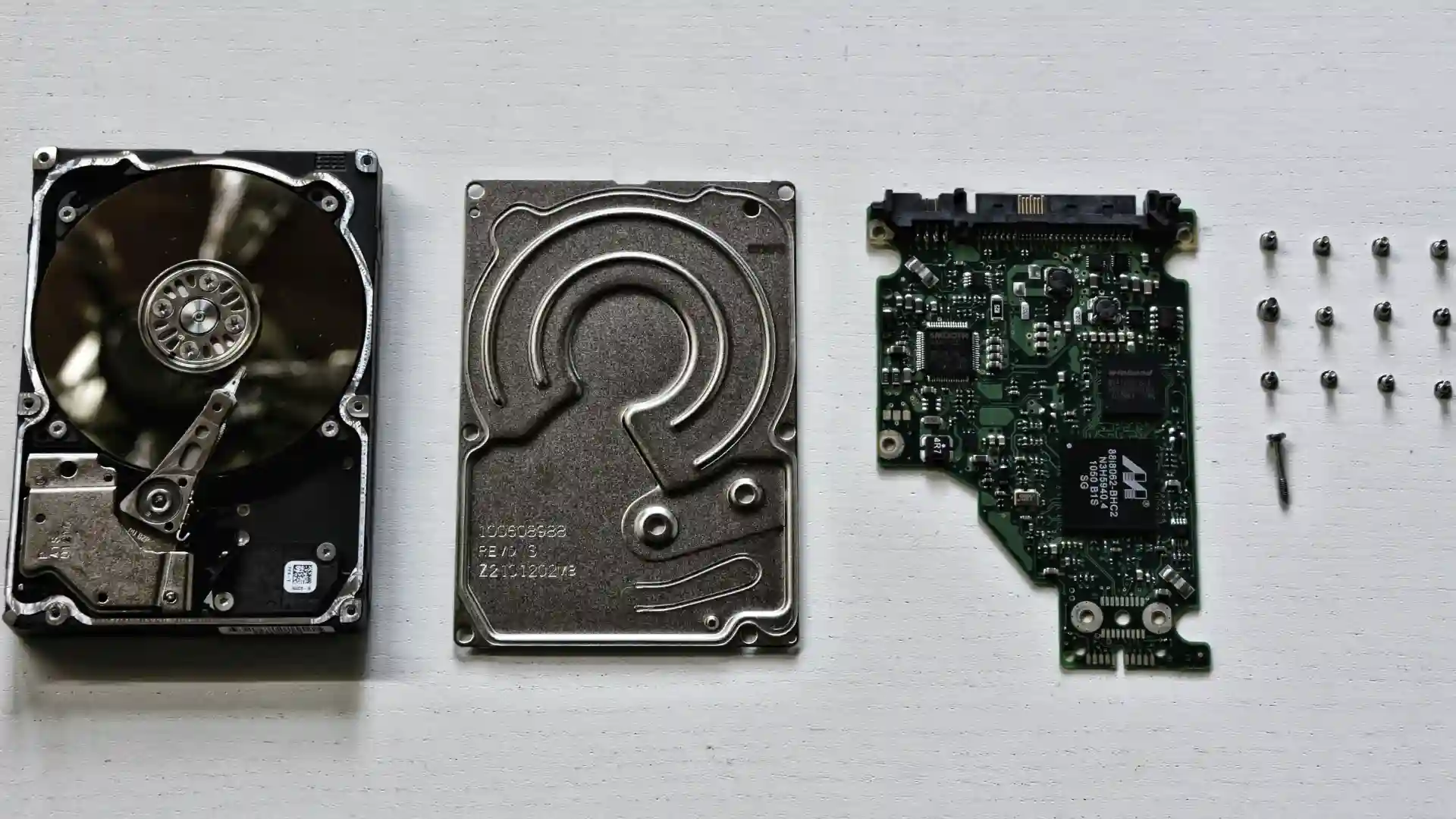
It is important to be clear that deleting files or formatting drives is not sufficient. Data remains recoverable unless it has been properly sanitised using approved methods. - Step 4: Disconnect and prepare the hardware
Once data security has been addressed, power down all systems and disconnect them from the network and power supply. Remove or organise any associated cabling and peripherals.
If servers are rack-mounted, confirm in advance whether your recycler will handle de-racking – Zero Tech Waste can take care of this too. Many providers will collect equipment as-is, but it is best to clarify during booking. Where specific handling instructions apply, such as drives requiring physical destruction, label equipment clearly.
Bringing all items together in one (secure) place ahead of collection helps ensure a faster and more efficient process. - Step 5: Get the paperwork in order
A compliant server recycling service should provide the necessary documentation as standard. This typically includes Waste Transfer Notes and Data Destruction Certificates.
If your organisation requires asset-level tracking or enhanced certification, this should be agreed in advance. Keep your original asset inventory to cross-check against the documentation received after collection. These records are essential for demonstrating compliance with WEEE regulations and UK GDPR requirements. - Step 6: Book the collection
Once everything is prepared, arranging how to recycle old servers is usually quick and straightforward. Confirm the collection date, site access details, and any security or logistical requirements in advance. With the preparation complete, the collection itself should be smooth and efficient.
Why Zero Tech Waste
Preparing servers for recycling does not need to be complex. With the right approach, your IT team can ensure everything is ready ahead of collection day. Zero Tech Waste manages the process end-to-end, including secure data destruction, certified server recycling, and full compliance documentation. Unlike many other recyclers, Zero Tech Waste can also manage the removal and recycling of any server racking – regardless of operation size.
Every device is assessed for reuse first. Where refurbishment is possible, it is prioritised. Where it is not, materials are responsibly recovered. Landfill and export are never part of the process – book a collection.
Frequently asked questions
No. Servers can be collected regardless of condition. Where possible, equipment is refurbished and reused before recycling is considered.
This is optional. A certified recycler will handle data destruction. If drives are removed, they should still be included in the collection for compliant disposal.
Not usually, but confirm with your provider when booking.
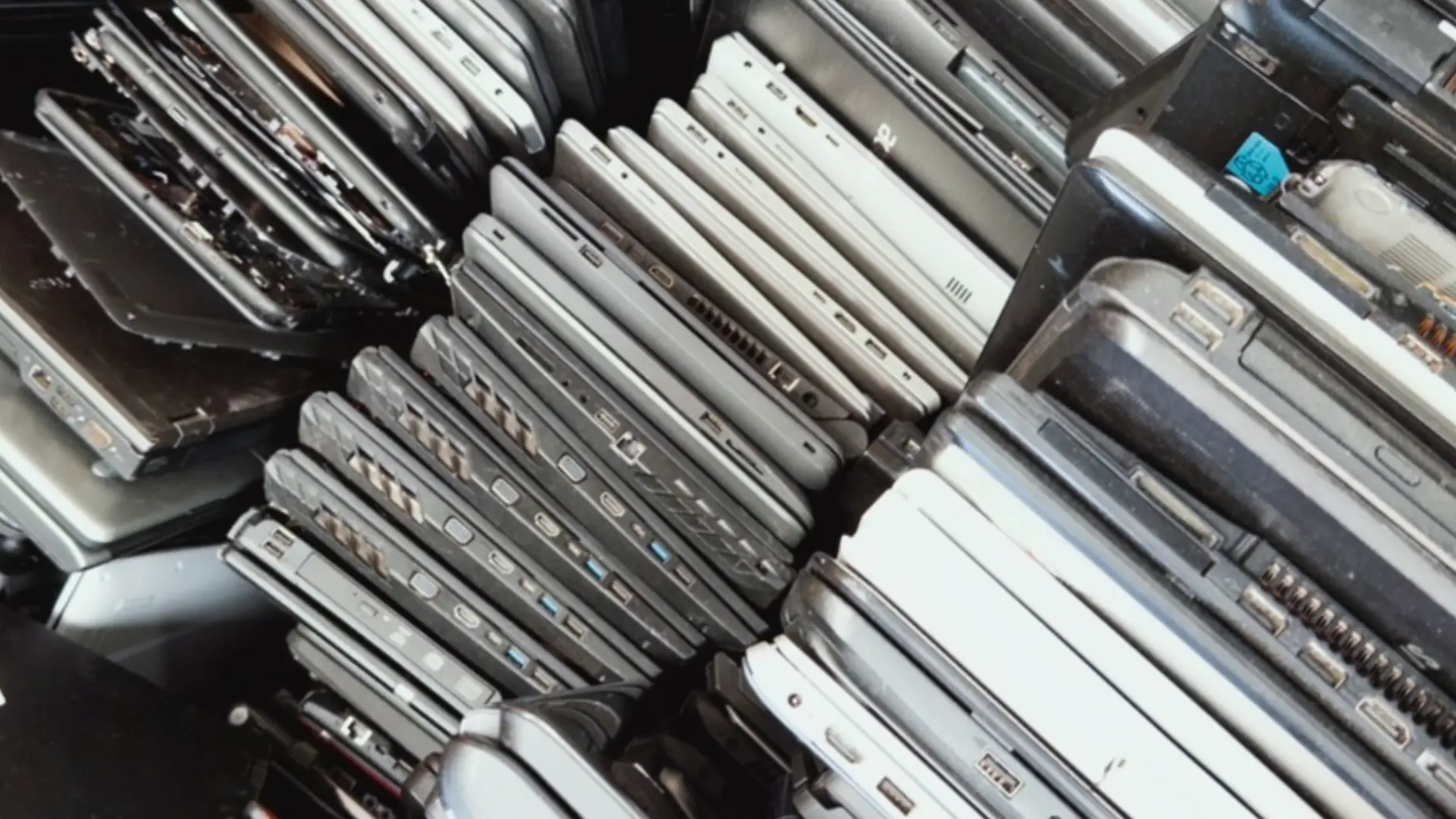
Yes. Most services include laptops, desktops, monitors, networking equipment, and more in a single collection.
Typically, Waste Transfer Notes and a Data Destruction Certificate. Individual asset enhanced reporting is also available.