WEEE
Everything you need to know about the WEEE Directive with resources and information from Zero Tech Waste.
-

Is free IT recycling too good to be true?
·
Not every provider offering free IT recycling is trustworthy. Here’s how to check credentials, spot red flags, and protect your business before you book. Read More
-

What are your legal obligations when disposing of old IT assets?
·
Disposing of old IT equipment comes with legal obligations most UK businesses underestimate. Here is what WEEE regulations and UK GDPR actually require of you. Read More
-

The role of the circular economy in sustainable IT recycling
·
Most IT kit still has working life left. Scrapping destroys that value. Truly sustainable IT recycling means refurbishment first, materials recovery last. This maximises the life of assets that can continue to provide value to people well beyond their initial… Read More
-
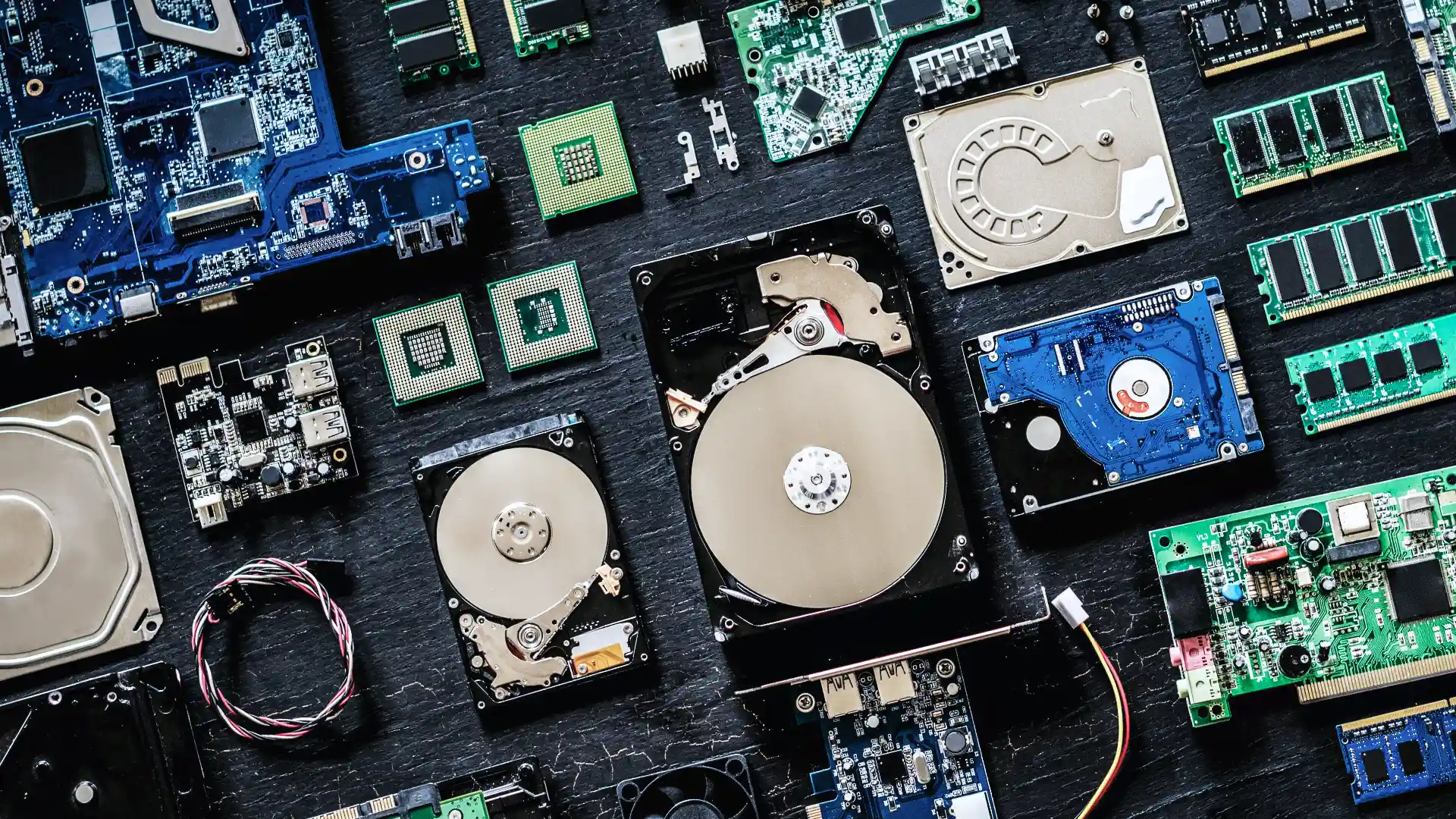
How IT asset recycling supports your ESG goals
·
Choosing an appropriate recycling provider should make achieving your ESG’s easier and help your business create a meaningful positive impact on the environment. Read More
-

IT recycling in the education sector
·
Learn why IT recycling is critical in the education sector, including data protection, WEEE compliance, cost savings, and sustainability in UK institutions. Read More
-
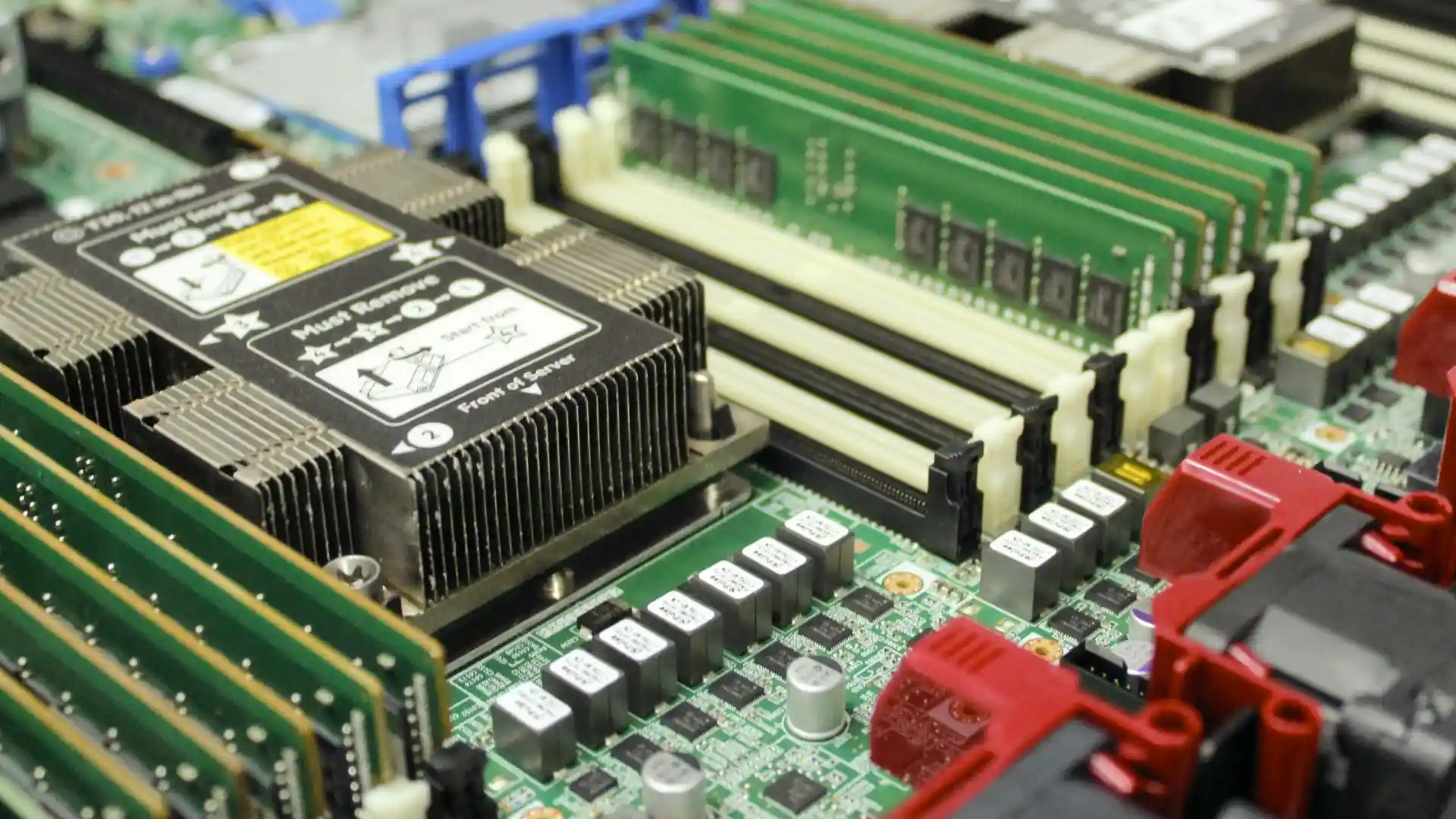
Recycling servers and how they can initiate a circular economy in the UK
·
To realise this potential, it’s essential that decommissioned servers—from businesses migrating to the cloud and from outdated data centres—are directed to trusted IT recycling companies. These companies must be equipped to professionally wipe data and refurbish servers to modern standards. Read More
-
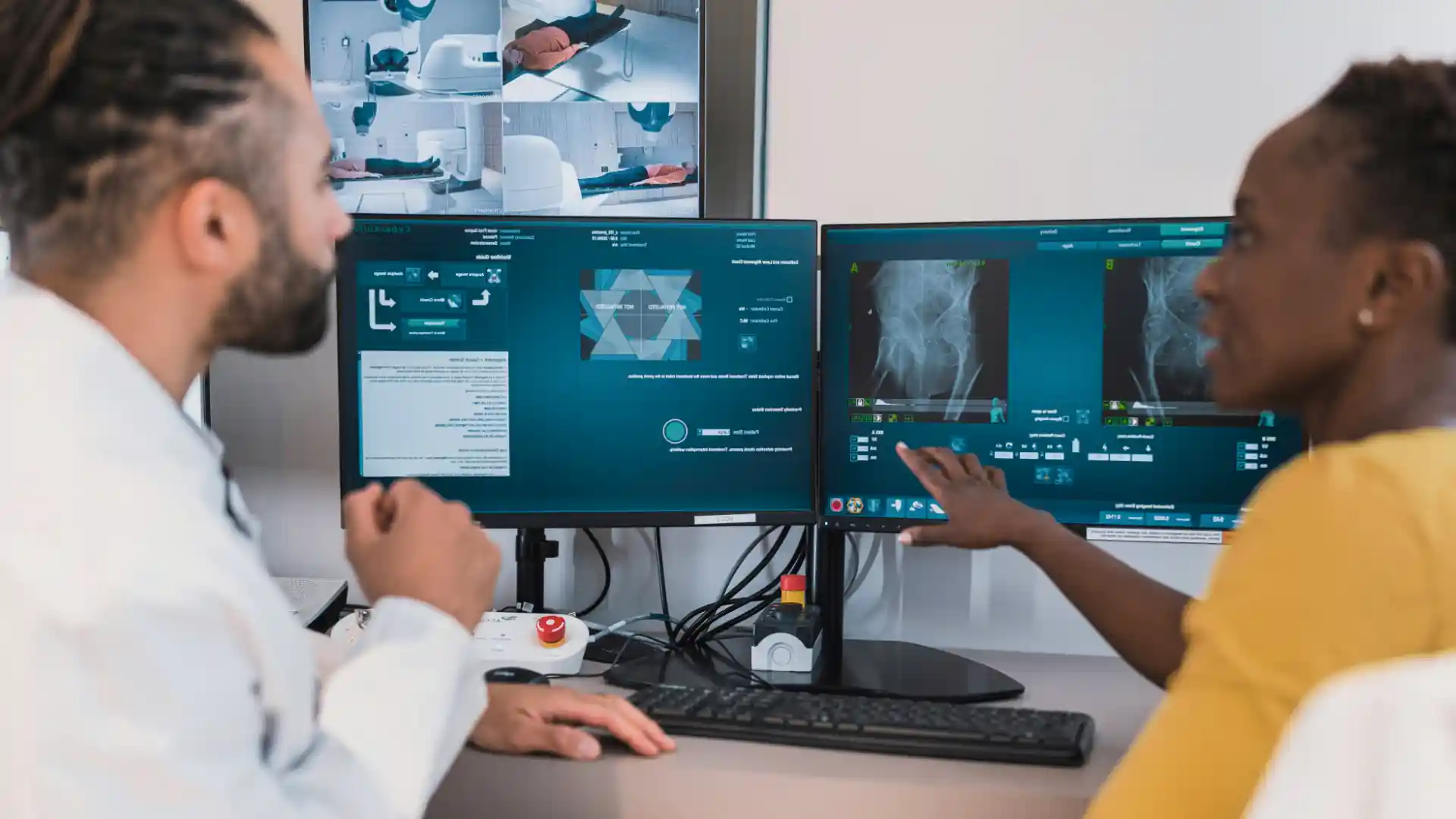
The importance of secure data destruction when recycling IT equipment in the Healthcare sector
·
Secure data destruction is vital for healthcare organisations when recycling IT equipment. This article explains the risks, regulations, and best practices that ensure patient privacy, legal compliance, and sustainable tech disposal. Read More
-

Maximising circularity: why laptop recycling must be done right
·
At Zero Tech Waste, we believe that all e-waste should enter a truly circular economy with the lowest possible carbon footprint. However, not all recycling methods are created equal. It is crucial to understand the processes your IT recycling provider… Read More
-

What is urban mining?
·
Urban mining is the process of searching for, collecting, and recovering valuable materials from e-waste. Rather than extracting finite resources, urban mining taps into the growing stockpile of unused or obsolete electronics stored in homes and businesses. Read More
-

Understanding data destruction certificates
·
When decommissioning or destroying IT assets such as servers, hard drives, or other data-bearing devices it’s important to obtain and retain certificates of destruction. These certificates serve as formal documentation that your equipment has been securely and properly disposed of,… Read More